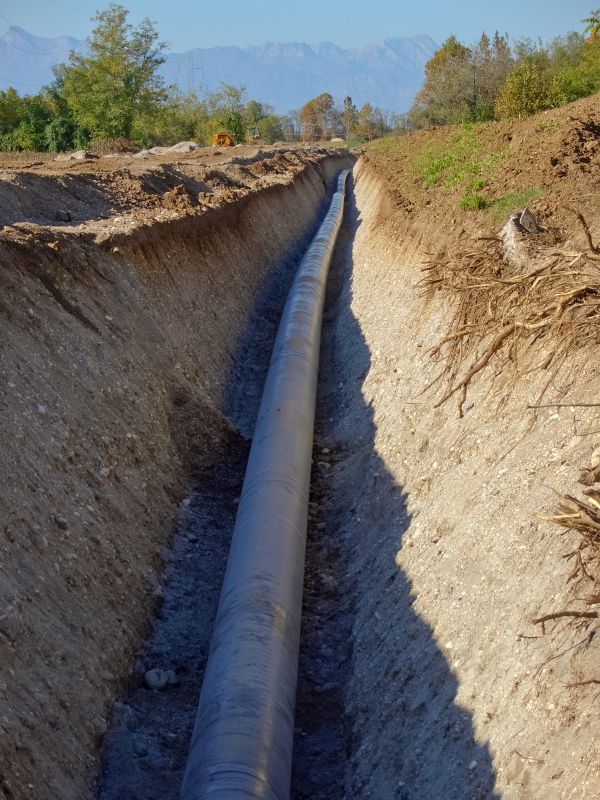
Trench Installation in Atlanta, GA
Trench installation services involve the careful excavation and creation of narrow, deep channels in the ground to support various infrastructure projects around a property. These trenches are commonly used for installing underground utilities such as water lines, sewer pipes, electrical conduits, and irrigation systems. Homeowners often request trench installation when updating or expanding their property's plumbing or electrical systems, or when preparing for new landscaping features that require underground connections. Before requesting trench work, property owners should consider the location, depth, and purpose of the trench to ensure it aligns with local regulations and utility requirements.
Understanding the scope of trench installation projects is important for property owners to plan effectively. Factors such as soil type, existing underground infrastructure, and accessibility can influence the complexity and cost of the work. It is also helpful to clarify whether the project involves connecting to existing utilities or installing new systems, as this can impact planning and permits. Proper planning ensures that trench installation is completed efficiently, minimizing disruptions and ensuring that the underground infrastructure functions correctly for years to come.
Many property owners in Atlanta, GA look into Trench Installation for repairs, replacements, upgrades, and appearance-related improvements.
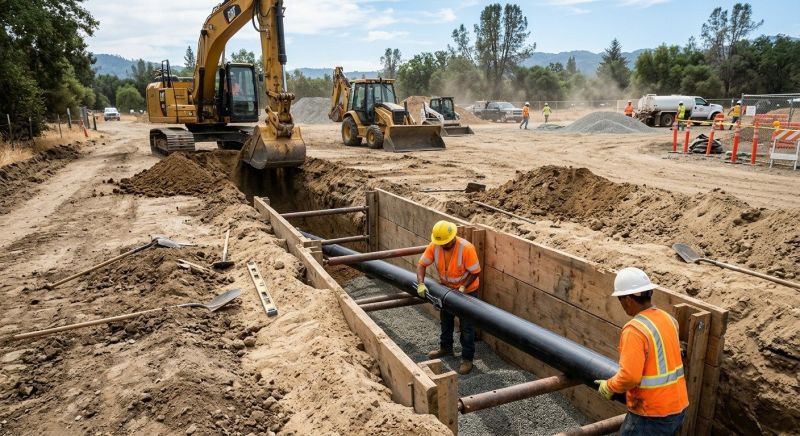
Foundation Support
Trenches are essential for installing or repairing underground utilities and foundations.
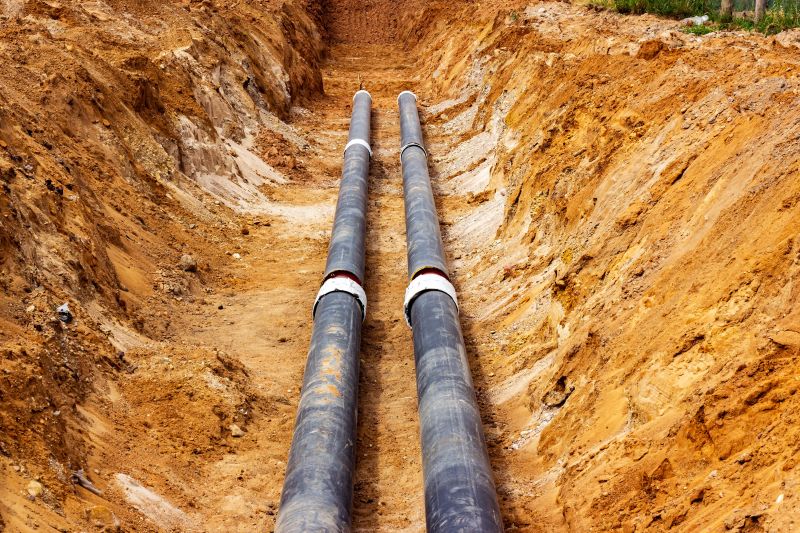
Landscaping And Drainage
Proper trenching helps improve yard drainage and prepares the ground for landscaping projects.
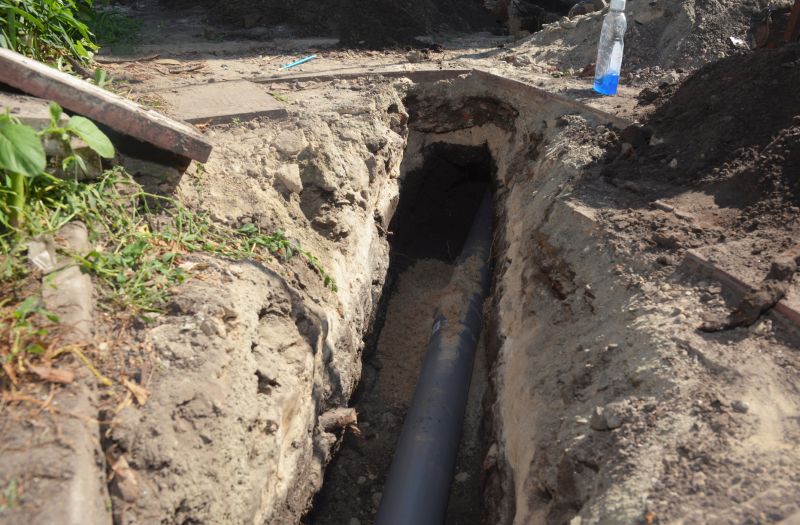
Utility Installations
Trench work is commonly needed for laying pipes, cables, and other underground utility lines in atlanta and nearby areas.
Trench Installation in Atlanta, GA
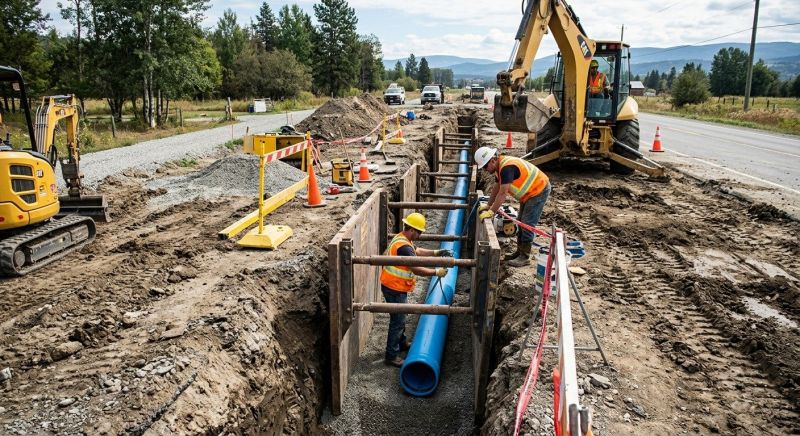
Trench installation services involve the careful excavation and creation of narrow, deep channels in the ground to support various infrastructure projects around a property. These trenches are commonly used for installing underground utilities such as water lines, sewer pipes, electrical conduits, and irrigation systems. Homeowners often request trench installation when updating or expanding their property's plumbing or electrical systems, or when preparing for new landscaping features that require underground connections. Before requesting trench work, property owners should consider the location, depth, and purpose of the trench to ensure it aligns with local regulations and utility requirements.
Understanding the scope of trench installation projects is important for property owners to plan effectively. Factors such as soil type, existing underground infrastructure, and accessibility can influence the complexity and cost of the work. It is also helpful to clarify whether the project involves connecting to existing utilities or installing new systems, as this can impact planning and permits. Proper planning ensures that trench installation is completed efficiently, minimizing disruptions and ensuring that the underground infrastructure functions correctly for years to come.
Many property owners in Atlanta, GA look into Trench Installation for repairs, replacements, upgrades, and appearance-related improvements.
Common Trench Installation Jobs
Trench installation - prepares underground pathways for utility lines and drainage systems.
Foundation drainage - helps manage water flow around building foundations to prevent water damage.
Landscape grading - creates proper slopes to direct water away from structures and landscaped areas.
Irrigation trenching - installs underground pipes for sprinkler systems to ensure even watering.
Sewer and water line installation - lays trenches for new or replacement utility lines to connect to main services.
Erosion control trenches - reduces soil erosion by creating barriers and drainage channels.
Trench Installation Questions
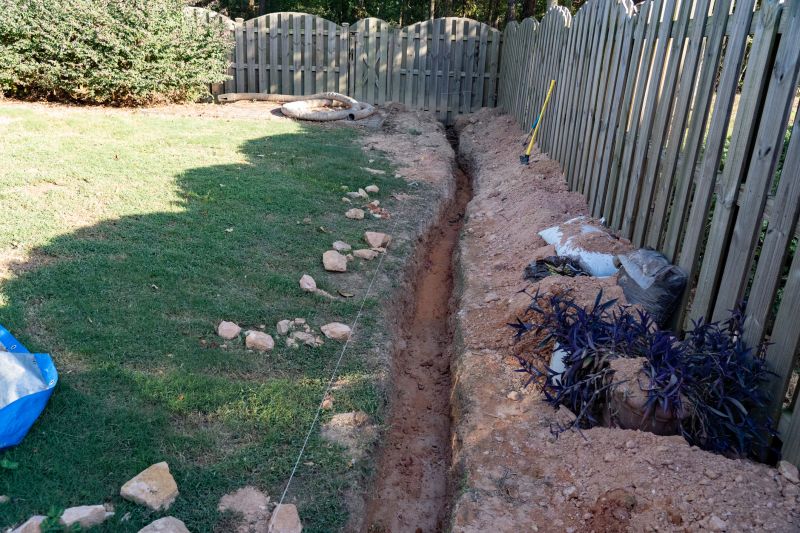
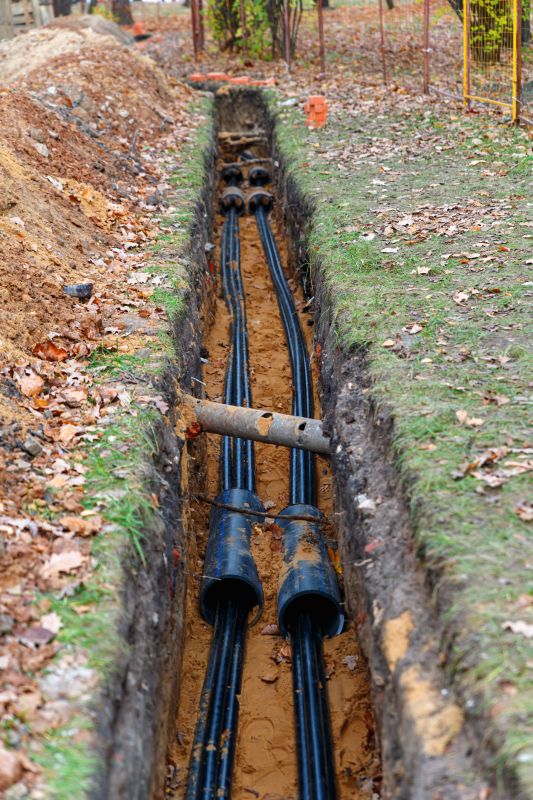
What is trench installation used for? Trench installation is commonly used for laying utility lines, drainage systems, or irrigation pipes across a property.
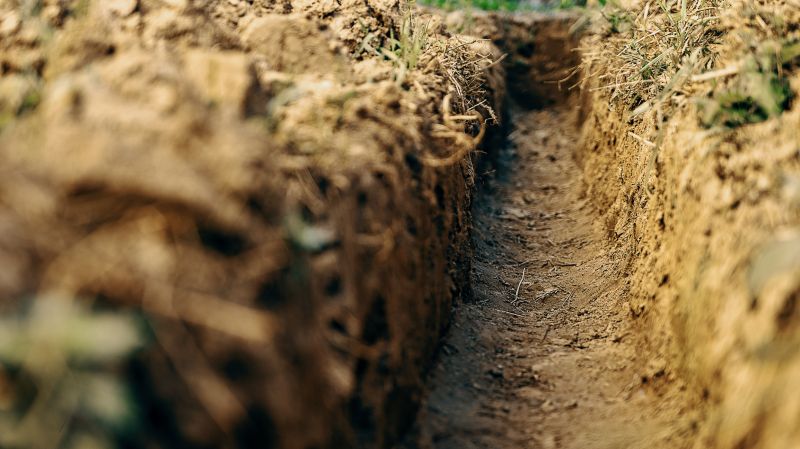
How deep should trenches be for typical projects? Trenches are usually dug between 12 to 24 inches deep, depending on the purpose and local code requirements.
What types of soil are suitable for trenching? Most soil types, including clay, loam, and sandy soils, can be trenched, though some may require special equipment or techniques.
Are there restrictions on trench placement? Yes, trenches should avoid existing underground utilities and property boundaries to prevent damage and ensure safety.
Request Trench Installation in Atlanta, GA
Use the quote form on this page to share the basics of your project and request more information for the type of work you need.